
Two Austin neighbors replace the same 50-gallon gas water heater in the same month. One pays $1,550; the other pays $2,600. Neither got cheated — and the thousand-dollar gap between them is the entire subject of this guide. Water heater pricing isn't mysterious, but it is layered: the unit, the labor, and then the layer nobody budgets for — the code catch-up an old install owes. Here's each layer with 2026 numbers on it.
Installed by a licensed plumber in the Austin area: a 40-gallon gas tank runs $1,300–$2,300, a 50-gallon runs $1,500–$2,600, and electric models land in similar territory — slightly cheaper units, comparable labor. Gas tankless conversions occupy their own bracket: $2,500–$4,000 when gas and venting cooperate, stretching toward $3,500–$6,500 when the gas line needs upsizing or the vent path gets creative. (The full tankless-versus-tank decision is its own article; this one assumes you're pricing, not philosophizing.) Those ranges include removal and haul-away of the old unit — if a quote doesn't, ask why.
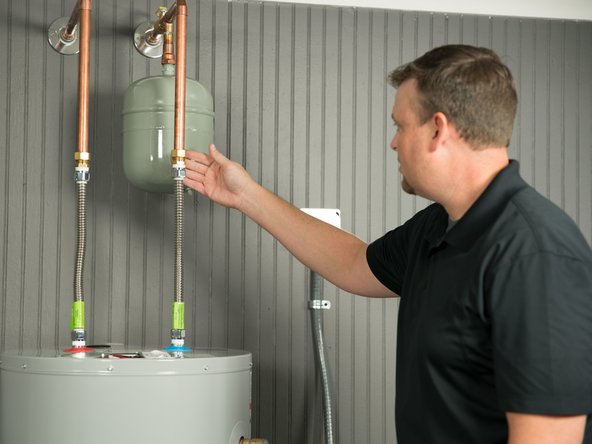
A water heater installed in 2010 met 2010's code. Its replacement must meet today's, and the delta is real money: a thermal expansion tank (required with the pressure regulators most Austin homes now have), a drain pan with a piped drain line, corrected T&P discharge routing, proper venting and combustion air, sometimes a gas sediment trap or bonding. Individually small, collectively $300–$800 — and this is the gap between the two neighbors above. It's also the gap between quotes: the suspiciously low bid often plans to skip the catch-up, which saves money right up until the inspection, the insurance claim, or the pressure spike that had no expansion tank to absorb it.
Austin builders spent decades parking water heaters in attics, and replacing one up there adds $300–$700: two people wrestling 130 pounds of tank up a folding ladder, the pan-and-drain work done properly (up there it's not optional — the pan is what stands between a leak and your ceiling), and the access constraints that slow everything. If your attic tank is on its second or third replacement cycle, this is also the natural moment to price a wall-hung tankless and retire the ceiling risk entirely.
Ranges are honest; your house is specific. Beaver matches Austin homeowners with a licensed, vetted plumber — free, with the price itemized before any work starts.
Not every cold shower means a funeral. Electric heaters fail through elements and thermostats — $150–$300 fixes on a unit under eight years old are money well spent. Gas heaters fail through thermocouples and pilot assemblies (modest) or gas control valves ($400–$900 — on an older tank, that's replacement territory). The unforgivables: a leaking tank body (no repair exists; the steel is done), rusty hot water with a spent anode on an old unit, and rumbling on a tank past ten. The rule of thumb that serves Austin homeowners: under 8 years and a cheap fix, repair; past 10 years or any tank-body symptom, replace — and between 8 and 10, let the size of the repair decide. A tank's Austin lifespan is 8–12 years in our hard water; spending $700 on year eleven is renting, not owning.
Three bids on the same job can span $800, and the spread decomposes cleanly: unit tier (a 6-year builder-grade tank vs. a 10–12 year warranty model — $200–$400 of real difference), the code line items (present or conveniently absent), and overhead (the big-fleet brands price their advertising into your invoice). Comparing quotes means lining up those three rows, not the bottom lines. Demand itemization: unit model and warranty term, each code item priced, haul-away included. A plumber who itemizes cheerfully is bidding the job; one who won't is bidding your urgency.
Tank warranties are where the unit tiers reveal themselves. The 6-year builder-grade tank and the 10–12 year model are frequently the same steel with a different anode rod and a different sticker — the longer-warranty units carry heavier or dual anodes, which in Austin's water is precisely the upgrade that matters. Fine print items that decide real claims: warranties cover the tank, not the labor to swap it (labor coverage typically expires in year one); they prorate; and they're void if the unit was installed without required code items — one more way the cut-rate install costs money later. Practical read: pay the $200–$400 for the longer-warranty tier, and staple the itemized invoice to the manual, because a warranty claim without proof of compliant install is a conversation, not a claim.
The failure you're deferring has its own invoice. An emergency weekend swap adds an after-hours premium and removes your negotiating position — you're buying the truck's inventory at the truck's price. If the tank fails wet rather than dry, add water damage: a garage-floor leak is a mop; a closet or attic leak is drywall, flooring, and a deductible. And a sediment-loaded tank spends its final year or two burning extra gas to heat water through its own insulation layer — a quiet monthly surcharge for keeping the appointment unmade. Against all that, the cost of acting early is zero: quotes are free, and a tank that gets replaced a season before it burst was not money wasted — it was the deductible you didn't pay.
Water heaters fail on their schedule, not yours — but the symptoms above usually give weeks of notice, and a planned weekday replacement beats an emergency Sunday one by hundreds of dollars: no after-hours premium, time to compare bids, and the unit you chose rather than the unit on the truck. The cheapest water heater install in Austin is the one scheduled while the old tank was still limping. If yours is past ten, rumbling, or tinting the hot water, get the quote now and keep it in the drawer — you'll use it inside two years either way, on your terms or the tank's.